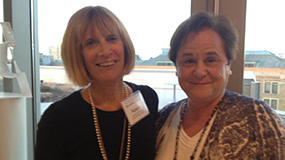
This week I had the pleasure of having lunch and a reunion with 5 friends from high school. To give you an idea of our age, we graduated in 1966. We were eating in a relatively new restaurant several of us wanted to try. The owner is the son of a friend of one of […]
Why Take Time To Love Yourself?
This article is adapted from my friend and colleague, Diana Cullum-Dugan’s newsletter. You can find Diana at www.NamasteNutrition.net and email her at DianaCullumDugan@gmail.com Why take time to love yourself? The gift of you is tremendous. The richness, unique skills, and intelligence that make you are stellar. Diets fix us and stop the emotions married to […]
Using “Wiggle Words” in Motivational Interviewing
An important tenant of MI is that we do not tell others what to do. Who wants to be told what to do, anyway? Even kids don’t like it. Telling others what to do is often rude and disrespectful. Let me be very clear, however. If your job as a health care provider is to […]
Labeling Patients/Clients as “Non-Compliant
There’s an expression in traditional medical practice, which also includes nurses, dietitians, physical therapists, pharmacists and other providers who work with patients. Those who don’t take their medicines as prescribed, eat the right diet, exercise, and do all the other things we are told to do for our health. For many, this becomes a really […]
Having a Real Choice in What You Eat
In my last post, I wrote about the idea that volition, or the desire for change in behavior is only a part of the process of change. There are other obstacles people face in this process. For example, in changing one’s food habits, one such obstacle is either not having access to the foods that […]